
Married at First Sight UK‘s recent controversies have prompted TV watchdog Ofcom to renew security measures and update its industry guidelines to protect reality TV participants.
The UK broadcasting regulator strengthened Section Seven of its Broadcasting Code on November 10, introducing targeted safeguards for shows involving emotional and physical intimacy.
Furthermore, the updated framework also establishes a specific risk matrix for emphasis-driven reality formats.
The watchdog highlighted, “Our guidance emphasises that the greater the expectation for contributors to engage in physical or emotional intimacy, the greater the potential risk of harm.”
What did Ofcom change after the MAFS UK controversy
Ofcom clarified that it does not approve or ban TV formats. However, its updated guidance calls for stronger safeguards without restricting editorial freedom.
At a recent DCMS select committee, we discussed production protocols and welfare standards for contestants on British TV shows and the role of OFCOM in ensuring compliance. While standards are generally high, recent allegations relating to MAFS suggest they may fall short of needs or expectations. Channel 4 was right to apologise to the women involved in the Panorama investigation. I hope they will also be fully transparent and share the whole review with relevant stakeholders including OFCOM so that lessons can be learned and, if appropriate, contestant welfare protocols and the broadcasting code be updated. https://t.co/BHsVYaI12l
— Nigel Huddleston MP (@HuddlestonNigel) November 5, 2026
Some of the key changes and safeguards in its updated guidance are listed below.
- Format-Specific Risk Assessments: Broadcasters must conduct risk assessments that identify reasonably foreseeable welfare risks and apply proportionate welfare protections. A dedicated risk matrix is included for constructed reality formats involving physical or emotional intimacy.
- Heightened Protection for Vulnerable Participants: Production teams have to exercise particular care when members of the public, unused to a public profile, face conflict, emotional pressure, sensitive personal disclosures, or physical intimacy expectations.
- Vigilance Against Harmful Behaviour: Broadcasters are encouraged to conduct appropriate advance background checks to identify potential risks, including sexual misconduct or coercive control, while providing participants clear conduct expectations during production.
- Enhanced Welfare Support During and Post-Production: Higher-risk formats require access to trained welfare teams independent of editorial staff, external welfare experts, and family communication. Broadcasters should also maintain a dedicated point of contact for a reasonable period post-transmission.
- Consent as an Ongoing Process: The guideline outlines broadcasters’ responsibility to revisit contributors’ informed consent whenever production circumstances change, such as following confrontations, increased anxiety, or physical intimacy.
- Defined Reporting and Escalation Procedures: Broadcasters and production companies must establish clear procedures for handling welfare concerns and referrals to authorities. They should also document incidents and explain how participants can complain to Ofcom after broadcast.
Ofcom Broadcasting Group Director, Cristina Nicolotti Squires, gave her own statement.
She stated, “Constructed reality shows are enjoyed by millions of viewers, but it is vital for broadcasters to ensure that appropriate safeguards are in place to protect the people taking part.”
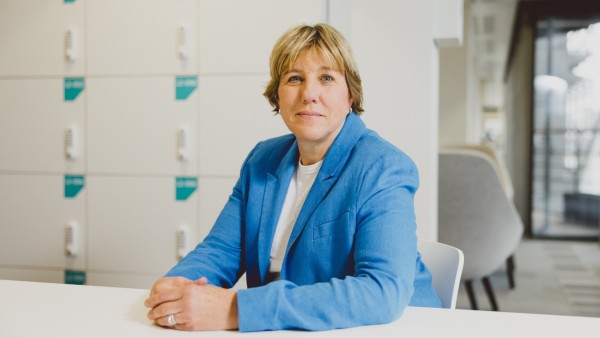
“Our strengthened guidance will help ensure that the potential risks to participants’ welfare are properly considered and addressed by programme-makers – before, during and after production,” Cristina added.
How the BBC Panorama exposé triggered Ofcom’s reality TV safeguard rules
The regulatory overhaul follows an external production review by Channel 4, as Chief Executive Officer Priya Dogra confirmed.
The channel requested two independent reviews by law firm Clyde & Co and industry expert Lorraine Heggessey.
Channel 4 commissioned the reviews after three former female contestants made allegations in BBC Panorama exposé titled The Dark Side of Married at First Sight. Their allegations concerned their on-screen husbands and the show’s production team.
One woman alleged her husband raped her and threatened an acid attack if she spoke publicly about his behaviour.
A second claimed she told Channel 4 and CPL about an alleged rape before broadcast, yet her episodes still aired.
The third, Shona Manderson, the only woman to waive her anonymity, accused her husband of sexual misconduct.
All three men involved reportedly denied the allegations
Nevertheless, in the wake of the allegations and reviews, Channel 4 permanently cancelled Married at First Sight UK on November 5, 2026.
This not only prompted the network to axe the series, but also to scrap its unreleased sixth season and cancel an upcoming spin-off.
Married at First Sight UK is no longer available on Channel 4.
Want to CHATTR with us? Follow us on Instagram, Facebook and TikTok for more entertainment news.

